← Back to Royal Chilghoza Pine Nuts

Research & Knowledge · Hub 04

Chilghoza Pine Nuts Forests & Ecology

Forests • ecology • ecosystems

Royal Chilghoza Pine Nuts — Premium quality Chilghoza Pine Nuts from the native forests of Gilgit-Baltistan, Pakistan.

Forests • ecology • ecosystems

For trade inquiries, export documentation, bulk orders, and worldwide shipping, please contact our trade desk directly via WhatsApp.

💬 WhatsApp Trade Inquiry
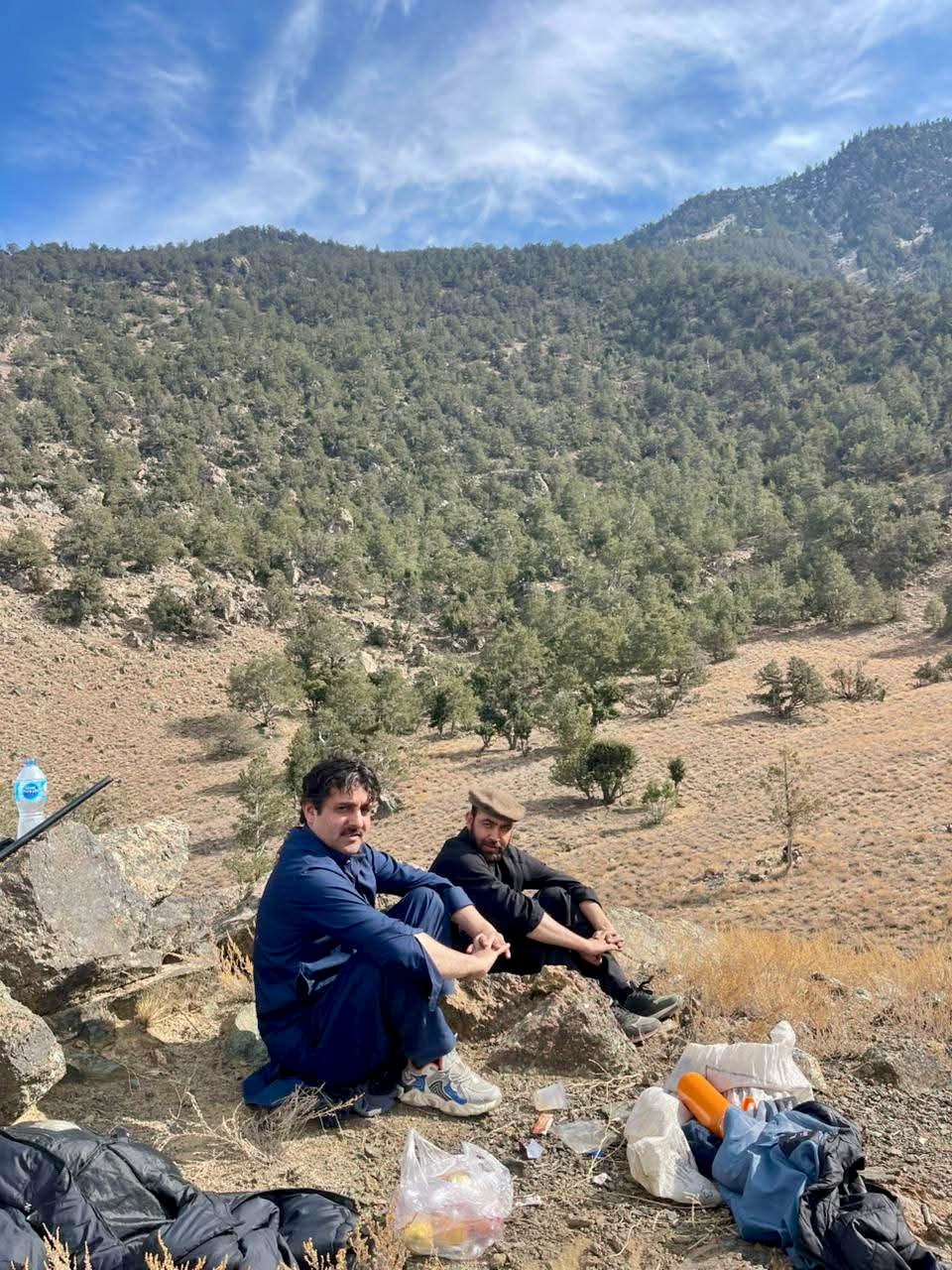
Media & Documentation

🇬🇧 English Version  The Largest Chilghoza Forest in Pakistan — Why Chilas Matters  By Syed Azeem Shah, Founder & CEO, Royal Chilghoza Pine Nuts Chilas, Diamer District, Gilgit-Baltistan  I was born in these forests. I have walked them for twenty-five years — not as a visitor, but as a resident, a harvester, and a researcher. What I share here is not drawn from reports. It is the testimony of someone who lives with these trees.  Where Chilghoza Naturally Grows in Pakistan  Chilghoza (Pinus gerardiana) does not grow in plantations. It is not irrigated. It is not sprayed. It grows wild — 100% organic — only in the high-altitude dry temperate zones of Pakistan. These are the confirmed natural forest ranges:  1. Chilas, Diamer District — Gilgit-Baltistan This is my home. And it is here, in the mountains of Diamer, that Pakistan's largest Chilghoza forest stands. The FAO/GEF project documents confirm this — the Diamer region holds the greatest forest area among all Chilghoza zones in the country.  Yet, despite this, Diamer's production is lower than Waziristan's. Why? Two reasons:  · Terrain. The forests of Chilas grow on steep mountain slopes. Harvesting is dangerous and physically demanding. Every cone must be climbed for and carried by hand. · Yield per bag. In Waziristan, one standard bag of cones yields around 12 kilograms of nuts. In Chilas, the same bag yields only about 5 kilograms.  But here is what the numbers do not show: the nuts of Chilas are larger. Buyers in China and the Gulf specifically ask for Chilas-grade Chilghoza because of its size, colour, and buttery flavour. This is the premium product — the one that earns the highest price.  2. Waziristan — Khyber Pakhtunkhwa (North & South) The Waziristan belt holds some of the largest and oldest Chilghoza forests in Pakistan. Production here is high — but the nuts are smaller. These forests feed the bulk trade.  3. Dir, Chitral, and Kohistan — Khyber Pakhtunkhwa In Dir and Chitral, Chilghoza grows alongside Deodar and Blue Pine. In Kohistan, the forests climb narrow valleys toward Gilgit-Baltistan. The cold, dry winters here produce nuts with a distinctive flavour — highly valued in regional markets.  4. Koh-e-Suleiman (Sherani) — Balochistan The Sulaiman Range is the southern edge of Chilghoza's natural range. These forests are drier, slower-growing, and uniquely adapted to low rainfall. They produce smaller but oil-rich nuts — a favourite in Gulf markets.  5. Astore and Nagar — Gilgit-Baltistan In Astore and Nagar, Chilghoza survives only in small pockets — approximately 7,000 trees combined. These are scattered, isolated populations that deserve protection, but they do not represent a major production zone.  The Negahban — Guardians of the Forest  In every Chilghoza village, there is a tradition older than any government law: the Negahban. These are local men and women, chosen by the community, who guard the forest day and night during the harvest season. They ensure that no tree is cut, no unripe cone is taken, and no outsider enters without permission.  This system has protected our forests for centuries — long before any international project arrived. When we speak of "sustainable harvesting," we are not introducing a new idea. We are describing a practice that our grandparents followed, and that we continue today.  At Royal Chilghoza Pine Nuts, we work hand-in-hand with the Negahban. They are our first line of defence — and our most trusted partners.  Why Chilas Must Be Prioritized  The FAO Terminal Evaluation (2025) rated the Diamer District as one of four key project sites. The project's vegetation study confirmed strong forest recovery in Diamer. And yet — Diamer remains underrepresented in national and international forest protection funding.  This must change. Here is why:  · Chilas is the largest. The forest area of Diamer exceeds any other Chilghoza zone in Pakistan. Protecting it is protecting the backbone of the national resource. · Chilas is the finest. The premium-grade nuts that command the highest prices in China and the Gulf come from Chilas. · Chilas is under-supported. Despite its size and quality, the Diamer forests have not received the attention they deserve from international climate and forest programs.  A 100% Organic Reality  In other parts of the world, Chilghoza is sometimes cultivated — with irrigation, fertiliser, or pest control. In Pakistan, none of this exists. Our trees:  · Grow only from wild seed · Receive only rainwater and snowmelt · Are never sprayed with chemicals · Are harvested by hand, by local families · Are dried under the open Himalayan sun  This is not a claim. It is a fact that anyone who visits these forests can verify.  Our Commitment  At Royal Chilghoza Pine Nuts, our work is built on three pillars:  1. Protect the forest — starting with Chilas, our ancestral home. 2. Support the community — every harvest strengthens local families. 3. Share the harvest with the world — without ever compromising the future.  We invite international organizations, forestry departments, and climate programs to work with us — not just to document these forests, but to protect them for the generations to come.  This is the forest we protect. This is the forest we share with the world. 
🇨🇳 Chinese Version  巴基斯坦最大的 Chilghoza 森林 — 为什么吉拉斯如此重要  作者:Syed Azeem Shah,Royal Chilghoza Pine Nuts 创始人兼首席执行官 巴基斯坦吉尔吉特-巴尔蒂斯坦迪亚米尔县吉拉斯  我出生在这些森林中。我在其中行走了二十五年 — 不是作为访客,而是作为居民、采集者和研究者。我在这里分享的不是来自报告的内容。这是与这些树木共同生活的人的见证。  Chilghoza 在巴基斯坦的自然生长地  Chilghoza(Pinus gerardiana)不是人工种植的。它不经过灌溉。它不喷洒农药。它只生长在巴基斯坦高海拔的干燥温带地区 — 野生、100% 有机。以下是已确认的天然森林分布区:  1. 吉拉斯,迪亚米尔县 — 吉尔吉特-巴尔蒂斯坦 这是我的家。正是在迪亚米尔的群山中,矗立着巴基斯坦最大的 Chilghoza 森林。FAO/GEF 的项目文件证实了这一点 — 迪亚米尔地区的森林面积在全国所有 Chilghoza 分布区中位居首位。  然而,尽管如此,迪亚米尔的产量却低于瓦济里斯坦。为什么?有两个原因:  · 地形。 吉拉斯的森林生长在陡峭的山坡上。采集既危险又耗费体力。每一颗松果都必须攀爬采摘、手扛下山。 · 每袋产量。 在瓦济里斯坦,一标准袋松果可出约 12 公斤松子。而在吉拉斯,同样的袋子只能出约 5 公斤。  但数字无法显示的是:吉拉斯的松子更大。 中国和海湾地区的买家专门指名要求吉拉斯级别的 Chilghoza,因为其尺寸、色泽和奶油般的风味。这是高端产品 — 能够获得最高价格的产品。  2. 瓦济里斯坦 — 开伯尔-普什图赫瓦省(北与南) 瓦济里斯坦地带拥有巴基斯坦最大、最古老的 Chilghoza 森林之一。这里产量高 — 但松子较小。这些森林供应大宗贸易。  3. 迪尔、吉德拉尔和科希斯坦 — 开伯尔-普什图赫瓦省 在迪尔和吉德拉尔,Chilghoza 与雪松和蓝松共同生长。在科希斯坦,森林沿着狭窄的山谷向吉尔吉特-巴尔蒂斯坦攀升。这里寒冷干燥的冬季赋予松子独特的风味 — 在区域市场备受推崇。  4. 苏莱曼山脉(舍拉尼)— 俾路支省 苏莱曼山脉是 Chilghoza 自然分布区的南端。这些森林更干燥、生长更慢,独特地适应了低降雨量。它们出产较小但富含油脂的松子 — 在海湾市场颇受欢迎。  5. 阿斯托尔和纳加尔 — 吉尔吉特-巴尔蒂斯坦 在阿斯托尔和纳加尔,Chilghoza 仅存于小片区域 — 合计约 7,000 棵树。这些是分散、孤立的小种群,值得保护,但并不构成主要产区。  Negahban — 森林守护者  在每一个 Chilghoza 村庄,都有一个比任何政府法律都更古老的传统:Negahban。他们是社区选出的当地男女,在采收季节日夜守护森林。他们确保没有树木被砍伐、没有未成熟的松果被采摘、没有未经允许的外人进入。  这一制度保护了我们的森林数百年 — 早在任何国际项目到来之前。当我们谈论"可持续采收"时,我们并不是在引入一个新概念。我们是在描述我们的祖辈遵循、我们延续至今的实践。  在 Royal Chilghoza Pine Nuts,我们与 Negahban 携手合作。他们是我们的第一道防线 — 也是我们最信任的伙伴。  为什么吉拉斯必须被优先考虑  FAO 终期评估(2025 年)将迪亚米尔县列为四个关键项目点之一。项目的植被研究证实了迪亚米尔森林的强劲恢复。然而,迪亚米尔在国家及国际森林保护资金中仍然未得到充分重视。  这必须改变。原因如下:  · 吉拉斯最大。 迪亚米尔的森林面积超过巴基斯坦任何其他 Chilghoza 分布区。保护它,就是保护国家资源的命脉。 · 吉拉斯最优。 在中国和海湾地区获得最高价格的高端松子,来自吉拉斯。 · 吉拉斯被忽视。 尽管其规模和质量,迪亚米尔森林并未从国际气候和森林项目中获得应有的关注。  100% 有机的现实  在世界其他地区,Chilghoza 有时经过栽培 — 灌溉、施肥或病虫害防治。在巴基斯坦,这些都不存在。我们的树木:  · 仅从野生种子生长 · 仅接受雨水和融雪 · 从不喷洒化学物质 · 由当地家庭手工采集 · 在喜马拉雅露天阳光下晾晒  这不是声称。这是任何访问这些森林的人都能验证的事实。  我们的承诺  在 Royal Chilghoza Pine Nuts,我们的工作建立在三大支柱之上:  1. 保护森林 — 从吉拉斯开始,我们的祖居之地。 2. 支持社区 — 每一次收获都增强当地家庭。 3. 与世界分享收获 — 绝不牺牲未来。  我们邀请国际组织、林业部门和气候项目与我们合作 — 不仅仅是记录这些森林,而是为子孙后代保护它们。  这就是我们保护的森林。这就是我们与世界分享的森林。  ---
🇬🇧 English Version The Largest Chilghoza Forest in Pakistan — Why Chilas Matters By Syed Azeem Shah, Founder & CEO, Royal Chilghoza Pine Nuts Chilas, Diamer District, Gilgit-Baltistan I was born in these forests. I have walked them for twenty-five years — not as a visitor, but as a resident, a harvester, and a researcher. What I share here is not drawn from reports. It is the testimony of someone who lives with these trees. Where Chilghoza Naturally Grows in Pakistan Chilghoza (Pinus gerardiana) does not grow in plantations. It is not irrigated. It is not sprayed. It grows wild — 100% organic — only in the high-altitude dry temperate zones of Pakistan. These are the confirmed natural forest ranges: 1. Chilas, Diamer District — Gilgit-Baltistan This is my home. And it is here, in the mountains of Diamer, that Pakistan's largest Chilghoza forest stands. The FAO/GEF project documents confirm this — the Diamer region holds the greatest forest area among all Chilghoza zones in the country. Yet, despite this, Diamer's production is lower than Waziristan's. Why? Two reasons: · Terrain. The forests of Chilas grow on steep mountain slopes. Harvesting is dangerous and physically demanding. Every cone must be climbed for and carried by hand. · Yield per bag. In Waziristan, one standard bag of cones yields around 12 kilograms of nuts. In Chilas, the same bag yields only about 5 kilograms. But here is what the numbers do not show: the nuts of Chilas are larger. Buyers in China and the Gulf specifically ask for Chilas-grade Chilghoza because of its size, colour, and buttery flavour. This is the premium product — the one that earns the highest price. 2. Waziristan — Khyber Pakhtunkhwa (North & South) The Waziristan belt holds some of the largest and oldest Chilghoza forests in Pakistan. Production here is high — but the nuts are smaller. These forests feed the bulk trade. 3. Dir, Chitral, and Kohistan — Khyber Pakhtunkhwa In Dir and Chitral, Chilghoza grows alongside Deodar and Blue Pine. In Kohistan, the forests climb narrow valleys toward Gilgit-Baltistan. The cold, dry winters here produce nuts with a distinctive flavour — highly valued in regional markets. 4. Koh-e-Suleiman (Sherani) — Balochistan The Sulaiman Range is the southern edge of Chilghoza's natural range. These forests are drier, slower-growing, and uniquely adapted to low rainfall. They produce smaller but oil-rich nuts — a favourite in Gulf markets. 5. Astore and Nagar — Gilgit-Baltistan In Astore and Nagar, Chilghoza survives only in small pockets — approximately 7,000 trees combined. These are scattered, isolated populations that deserve protection, but they do not represent a major production zone. The Negahban — Guardians of the Forest In every Chilghoza village, there is a tradition older than any government law: the Negahban. These are local men and women, chosen by the community, who guard the forest day and night during the harvest season. They ensure that no tree is cut, no unripe cone is taken, and no outsider enters without permission. This system has protected our forests for centuries — long before any international project arrived. When we speak of "sustainable harvesting," we are not introducing a new idea. We are describing a practice that our grandparents followed, and that we continue today. At Royal Chilghoza Pine Nuts, we work hand-in-hand with the Negahban. They are our first line of defence — and our most trusted partners. Why Chilas Must Be Prioritized The FAO Terminal Evaluation (2025) rated the Diamer District as one of four key project sites. The project's vegetation study confirmed strong forest recovery in Diamer. And yet — Diamer remains underrepresented in national and international forest protection funding. This must change. Here is why: · Chilas is the largest. The forest area of Diamer exceeds any other Chilghoza zone in Pakistan. Protecting it is protecting the backbone of the national resource. · Chilas is the finest. The premium-grade nuts that command the highest prices in China and the Gulf come from Chilas. · Chilas is under-supported. Despite its size and quality, the Diamer forests have not received the attention they deserve from international climate and forest programs. A 100% Organic Reality In other parts of the world, Chilghoza is sometimes cultivated — with irrigation, fertiliser, or pest control. In Pakistan, none of this exists. Our trees: · Grow only from wild seed · Receive only rainwater and snowmelt · Are never sprayed with chemicals · Are harvested by hand, by local families · Are dried under the open Himalayan sun This is not a claim. It is a fact that anyone who visits these forests can verify. Our Commitment At Royal Chilghoza Pine Nuts, our work is built on three pillars: 1. Protect the forest — starting with Chilas, our ancestral home. 2. Support the community — every harvest strengthens local families. 3. Share the harvest with the world — without ever compromising the future. We invite international organizations, forestry departments, and climate programs to work with us — not just to document these forests, but to protect them for the generations to come. This is the forest we protect. This is the forest we share with the world. 🇨🇳 Chinese Version 巴基斯坦最大的 Chilghoza 森林 — 为什么吉拉斯如此重要 作者:Syed Azeem Shah,Royal Chilghoza Pine Nuts 创始人兼首席执行官 巴基斯坦吉尔吉特-巴尔蒂斯坦迪亚米尔县吉拉斯 我出生在这些森林中。我在其中行走了二十五年 — 不是作为访客,而是作为居民、采集者和研究者。我在这里分享的不是来自报告的内容。这是与这些树木共同生活的人的见证。 Chilghoza 在巴基斯坦的自然生长地 Chilghoza(Pinus gerardiana)不是人工种植的。它不经过灌溉。它不喷洒农药。它只生长在巴基斯坦高海拔的干燥温带地区 — 野生、100% 有机。以下是已确认的天然森林分布区: 1. 吉拉斯,迪亚米尔县 — 吉尔吉特-巴尔蒂斯坦 这是我的家。正是在迪亚米尔的群山中,矗立着巴基斯坦最大的 Chilghoza 森林。FAO/GEF 的项目文件证实了这一点 — 迪亚米尔地区的森林面积在全国所有 Chilghoza 分布区中位居首位。 然而,尽管如此,迪亚米尔的产量却低于瓦济里斯坦。为什么?有两个原因: · 地形。 吉拉斯的森林生长在陡峭的山坡上。采集既危险又耗费体力。每一颗松果都必须攀爬采摘、手扛下山。 · 每袋产量。 在瓦济里斯坦,一标准袋松果可出约 12 公斤松子。而在吉拉斯,同样的袋子只能出约 5 公斤。 但数字无法显示的是:吉拉斯的松子更大。 中国和海湾地区的买家专门指名要求吉拉斯级别的 Chilghoza,因为其尺寸、色泽和奶油般的风味。这是高端产品 — 能够获得最高价格的产品。 2. 瓦济里斯坦 — 开伯尔-普什图赫瓦省(北与南) 瓦济里斯坦地带拥有巴基斯坦最大、最古老的 Chilghoza 森林之一。这里产量高 — 但松子较小。这些森林供应大宗贸易。 3. 迪尔、吉德拉尔和科希斯坦 — 开伯尔-普什图赫瓦省 在迪尔和吉德拉尔,Chilghoza 与雪松和蓝松共同生长。在科希斯坦,森林沿着狭窄的山谷向吉尔吉特-巴尔蒂斯坦攀升。这里寒冷干燥的冬季赋予松子独特的风味 — 在区域市场备受推崇。 4. 苏莱曼山脉(舍拉尼)— 俾路支省 苏莱曼山脉是 Chilghoza 自然分布区的南端。这些森林更干燥、生长更慢,独特地适应了低降雨量。它们出产较小但富含油脂的松子 — 在海湾市场颇受欢迎。 5. 阿斯托尔和纳加尔 — 吉尔吉特-巴尔蒂斯坦 在阿斯托尔和纳加尔,Chilghoza 仅存于小片区域 — 合计约 7,000 棵树。这些是分散、孤立的小种群,值得保护,但并不构成主要产区。 Negahban — 森林守护者 在每一个 Chilghoza 村庄,都有一个比任何政府法律都更古老的传统:Negahban。他们是社区选出的当地男女,在采收季节日夜守护森林。他们确保没有树木被砍伐、没有未成熟的松果被采摘、没有未经允许的外人进入。 这一制度保护了我们的森林数百年 — 早在任何国际项目到来之前。当我们谈论"可持续采收"时,我们并不是在引入一个新概念。我们是在描述我们的祖辈遵循、我们延续至今的实践。 在 Royal Chilghoza Pine Nuts,我们与 Negahban 携手合作。他们是我们的第一道防线 — 也是我们最信任的伙伴。 为什么吉拉斯必须被优先考虑 FAO 终期评估(2025 年)将迪亚米尔县列为四个关键项目点之一。项目的植被研究证实了迪亚米尔森林的强劲恢复。然而,迪亚米尔在国家及国际森林保护资金中仍然未得到充分重视。 这必须改变。原因如下: · 吉拉斯最大。 迪亚米尔的森林面积超过巴基斯坦任何其他 Chilghoza 分布区。保护它,就是保护国家资源的命脉。 · 吉拉斯最优。 在中国和海湾地区获得最高价格的高端松子,来自吉拉斯。 · 吉拉斯被忽视。 尽管其规模和质量,迪亚米尔森林并未从国际气候和森林项目中获得应有的关注。 100% 有机的现实 在世界其他地区,Chilghoza 有时经过栽培 — 灌溉、施肥或病虫害防治。在巴基斯坦,这些都不存在。我们的树木: · 仅从野生种子生长 · 仅接受雨水和融雪 · 从不喷洒化学物质 · 由当地家庭手工采集 · 在喜马拉雅露天阳光下晾晒 这不是声称。这是任何访问这些森林的人都能验证的事实。 我们的承诺 在 Royal Chilghoza Pine Nuts,我们的工作建立在三大支柱之上: 1. 保护森林 — 从吉拉斯开始,我们的祖居之地。 2. 支持社区 — 每一次收获都增强当地家庭。 3. 与世界分享收获 — 绝不牺牲未来。 我们邀请国际组织、林业部门和气候项目与我们合作 — 不仅仅是记录这些森林,而是为子孙后代保护它们。 这就是我们保护的森林。这就是我们与世界分享的森林。 ---